
French pane windows are French-style windows that use divided glass panes to create a classic, detailed look. Depending on the design, the window grids may separate real pieces of glass or simply give one large glass unit a traditional appearance. People often choose this style for its charm, extra natural light, and the way it can make both old and modern homes look more interesting. The design can also vary, which is why the term sometimes causes a little confusion.
What Are French Pane Windows?
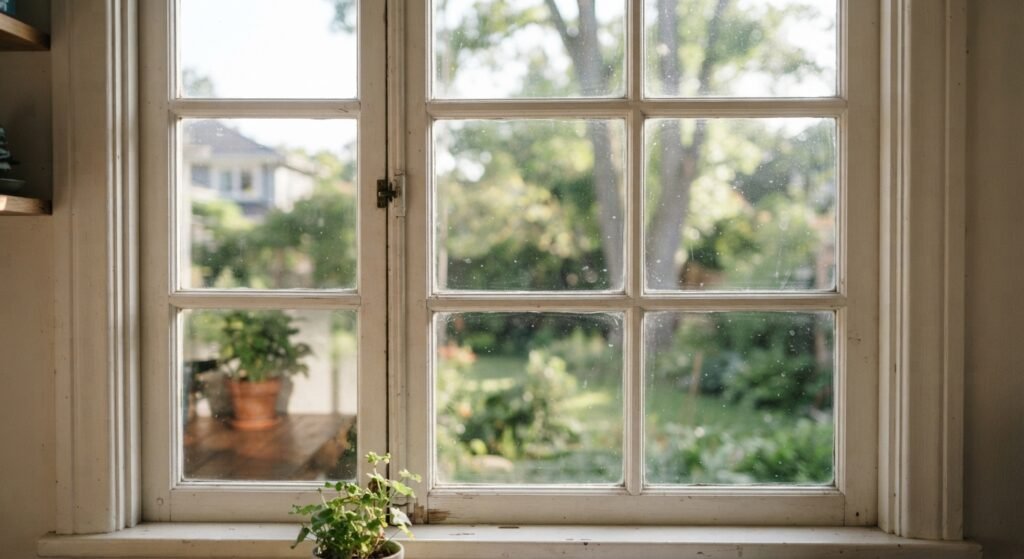
A French pane window is a window with glass divided into smaller sections by narrow bars or grids. These paned windows can have several glass panels, giving them the familiar look of multi-pane windows and divided pane windows. Depending on the design, the grids may separate individual pieces of glass or sit over a larger glass unit.
What Does “French Pane” Actually Mean?
The term usually refers to French window panes arranged in a classic grid pattern. The small glass panels are separated by muntins or glazing bars, creating a divided-glass look. Some modern designs use one large piece of divided glass with decorative grids added to the surface.
Why Is the Term Sometimes Confusing?
The name gets a bit tricky because “French window” can also describe French casement windows. These are side-hinged windows that open from the sides, often without a fixed center post. So, a French-style window can describe its appearance, its opening style, or both, depending on the manufacturer.
French Pane Windows vs French Casement Windows
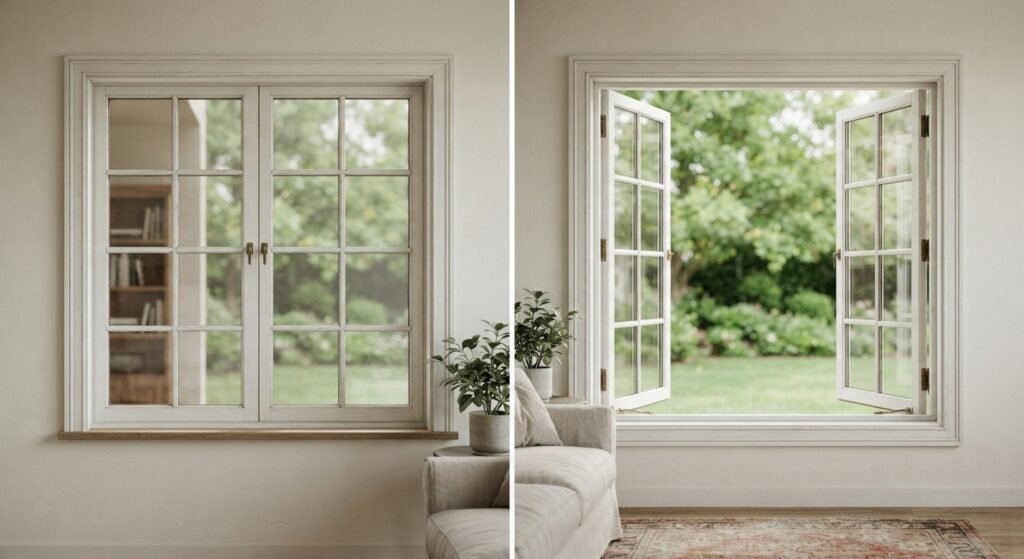
French pane windows vs casement windows can be confusing because the two terms can overlap. A French pane design mainly describes the divided-glass appearance, while French casement windows describe a window that opens from the sides. In many designs, you can actually have both features in the same window.
| Feature | French Pane Style | French Casement Style |
| Main feature | Divided glass look | Two opening sashes |
| Panes | May have multiple panes | May have grids or large glass |
| Opening | Depends on design | Uses a hinged opening |
| Center post | Depends on the design | Often opens without a fixed center post |
| Main appeal | Classic, decorative look | Wide, unobstructed opening and airflow |
The Main Parts of a French Pane Window
Knowing the basic parts makes it easier to compare different designs. The main pieces include the window panes, muntins, mullions, glazing bars, sash, frame, and window hardware.
Glass Panes
The glass panes are the sections that make up the window. They can be separate pieces of divided glass, or modern designs may use insulated glass with a decorative grid.
Muntins and Glazing Bars
Muntins or glazing bars divide the glass area into smaller sections. They create the familiar window grids and can be used as real dividers or decorative grids.
Mullions
Mullions are larger vertical or horizontal dividers that separate window sections. Unlike thin muntins, they can form a stronger structural divider between different window units.
Window Sash and Frame
The window sash holds the glass and can move when the window opens. Around it is the window frame, which can be made from materials such as a traditional wood frame or low-maintenance vinyl frame.
Types of French Pane Windows
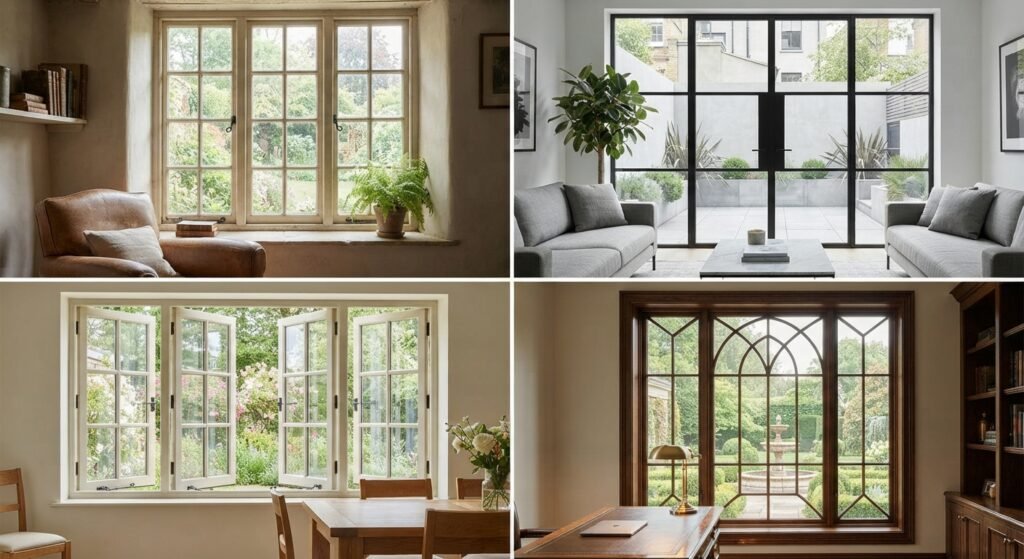
There’s more than one way to get the French window look. Some styles focus on the old-fashioned divided-glass appearance, while others use modern glass and frames for easier care and better performance.
Traditional Divided-Light Windows
Traditional French windows use several small glass panes separated by muntins or glazing bars. These divided lights give the window a classic look that works especially well with older or traditional homes.
Modern French-Style Windows
Modern French windows often combine fewer, larger glass sections with slim modern window grids. Black window frames are especially popular, giving the design a clean, bold look without making the room feel too old-fashioned.
French Casement Windows
French casement windows have side-hinged windows that open from the sides. They can provide a wide opening, which is handy when you want more ventilation and airflow.
Fixed French-Style Windows
Fixed windows don’t open, but they can still have the classic French look. They’re similar to picture windows, with decorative window grids added for visual interest. They’re a good pick when the main goal is light and views.
French Doors with Glass Panes
French doors can carry the same divided-glass style into a doorway. French doors with glass panes are often used for patio access, helping create a smooth indoor-outdoor connection.
True Divided Lights vs Simulated Divided Lights
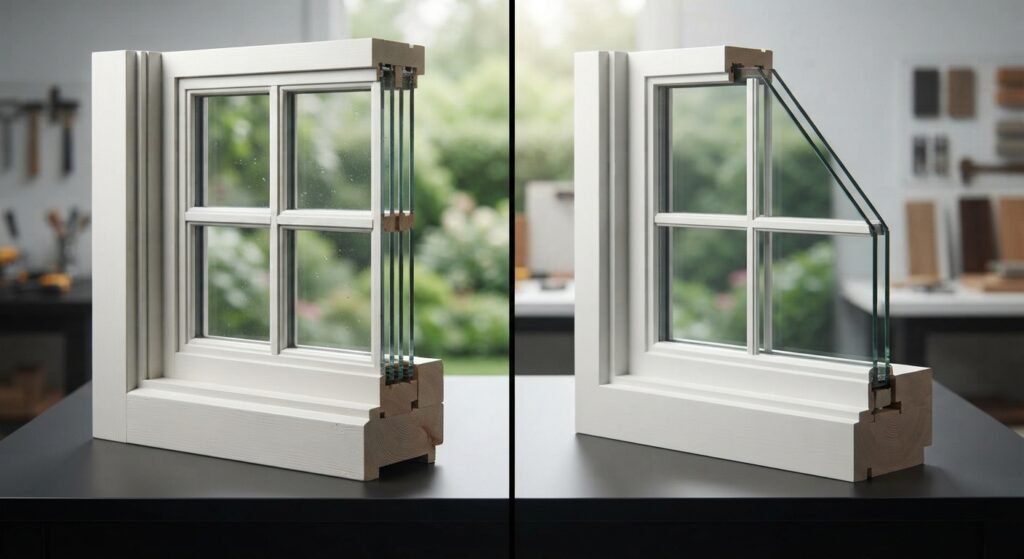
The way the panes are made matters more than you might think. True divided lights and simulated divided lights (SDL windows) can look very similar, but they’re built differently.
True Divided Lights
With true divided lights, each glass section is a separate piece. This gives the window a genuine traditional appearance, but there are more edges and sections to clean. The extra craftsmanship can also make this style more expensive.
Simulated Divided Lights
Simulated divided lights usually use one large insulated glass unit, with decorative grids attached to the glass. You still get the traditional appearance, but the larger glass unit can make modern insulation and maintenance easier.
Grilles Between the Glass
With grilles between glass, the decorative grid sits inside the insulated glass unit rather than on the outside. This creates a neat appearance and makes easy-clean windows possible because there are fewer raised surfaces to wipe.
| Type | Look | Cleaning | Cost | Modern Insulation |
| True divided lights | Most traditional | More work | Higher | Depends on glass |
| Simulated divided lights | Traditional | Easier | Moderate | Usually good |
| Grilles between glass | Clean, modern | Easiest | Varies | Usually good |
Popular French Pane Grid Patterns
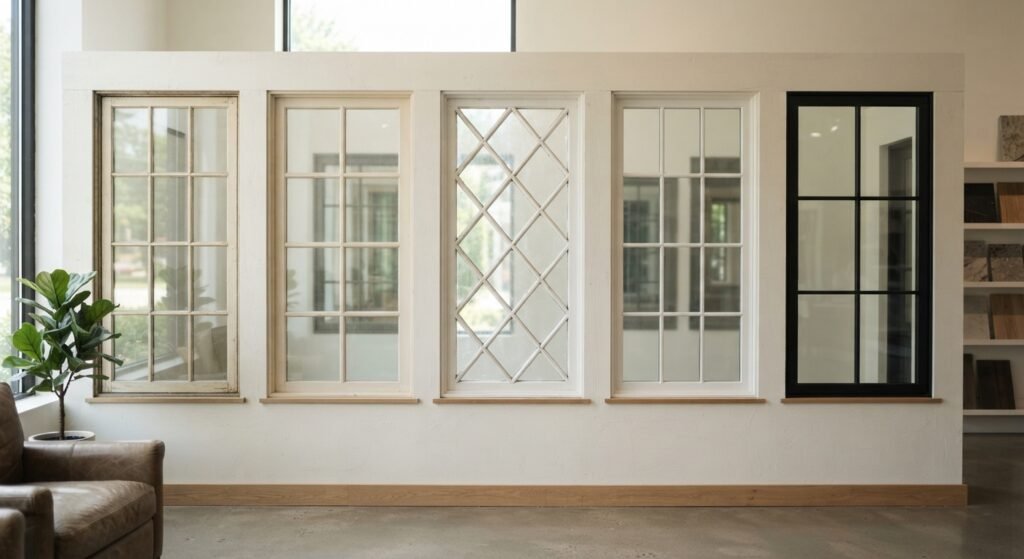
The grid pattern can change the whole feel of a window. Some designs look traditional and detailed, while others keep things simple and modern. Here are a few common French window grid patterns worth knowing.
Colonial Grid
A Colonial grid divides the glass into fairly even sections. It has a classic window design and works nicely with traditional homes.
Prairie Grid
A Prairie grid usually keeps the center area more open, with decorative panes around the edges. It gives you some grid detail without covering the whole window.
Diamond Pattern
Diamond grids add a more decorative touch. They’re often seen in older-style homes and can give plain glass a much more interesting look.
Rectangular Grid
Rectangular grids use simple straight lines to create taller or wider sections. They’re a good middle ground between traditional and modern styles.
Modern Black Grid Design
A modern black grid design uses bold lines against clear glass. This style has become popular in newer homes because the dark window grids stand out without making the window feel too busy.
French Pane Windows by Glass and Glazing Type
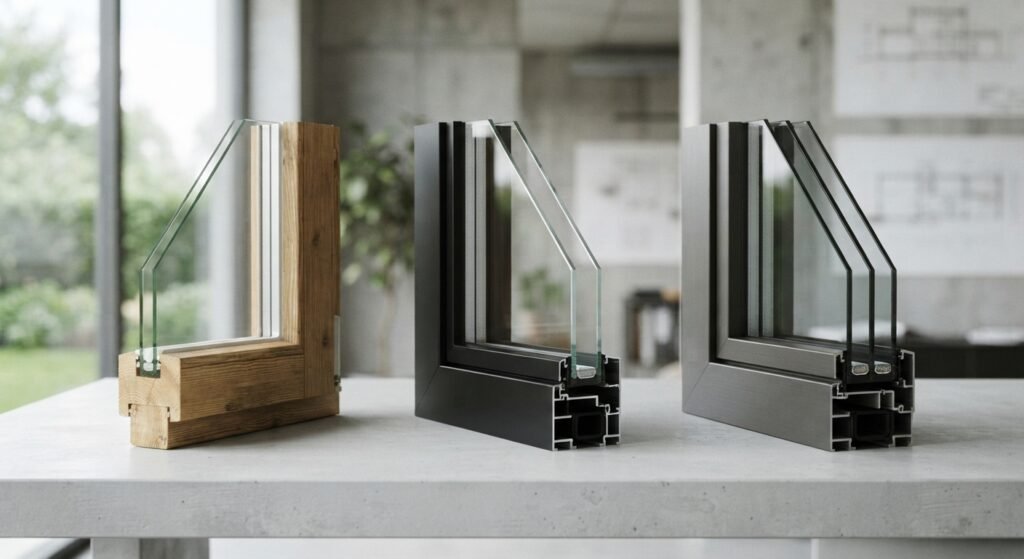
The look of the window is only part of the story. The glass you choose affects insulation, comfort, and energy use too. Common options include single-pane glass, double glazing, triple glazing, insulated glass, and Low-E glass.
Single-Pane Glass
Single-pane glass has one layer of glass. It’s simple and can suit older homes, but it offers less insulation and can allow more heat transfer.
Double-Glazed Windows
Double-glazed windows use two layers of glass with a sealed space between them. This insulated glass setup helps reduce heat loss and can make rooms more comfortable throughout the year.
Triple-Glazed Windows
Triple glazing adds a third layer of glass, giving the window another barrier against outdoor temperatures. It’s useful in colder climates where better insulation is a priority.
Low-E Glass and Gas-Filled Units
Low-E glass has a special coating that helps control heat moving through the window. Some insulated units also use argon gas between the glass layers. Together, these features can improve indoor comfort and help reduce energy bills, though the best choice depends on your local climate.
Are French Pane Windows Energy Efficient?
They can be, but the grid pattern itself doesn’t make a window energy efficient. A well-made double glazed French window or one with triple glazing can perform quite well. Low-E glass, a good U-factor, tight seals, and proper weatherstripping all help reduce heat loss and air leakage.
The biggest things to look at are:
- Glass type and insulation
- Frame material
- Quality of the seals
- Professional installation
- Your local climate
- Which direction the window faces
So, don’t judge the window just by its looks. The glass and frame matter a lot more for actual energy performance.
Best Frame Materials for French Pane Windows
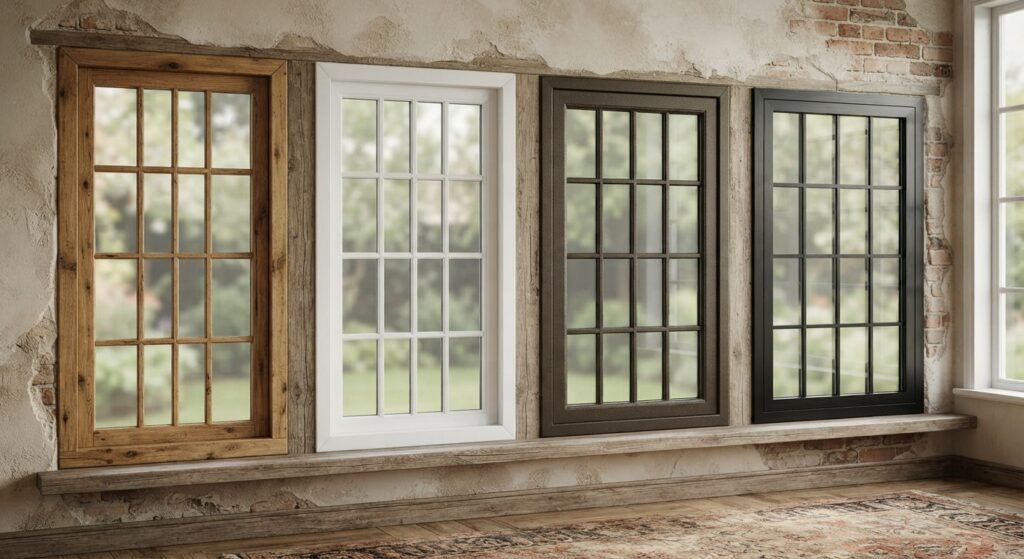
The frame changes how the window looks, feels, and performs. Common choices include wood French windows, vinyl windows, fiberglass windows, aluminum windows, and composite windows.
Wood
Wood has a warm, traditional look and works especially well in classic homes. It does need more upkeep, though, especially in wet or humid conditions.
Vinyl
Vinyl windows are usually affordable and easy to maintain. They don’t need regular painting and offer decent insulation.
Fiberglass
Fiberglass is strong, stable, and handles temperature changes well. It’s a good option if you want durability without giving up insulation.
Aluminum
Aluminum frames have a slim, modern appearance and are quite strong. The downside is that standard aluminum can transfer heat more easily than insulated frame materials.
Composite
Composite frames combine materials to improve strength, appearance, and weather resistance. They’re worth considering when you want a balance of performance and style.
| Material | Appearance | Maintenance | Insulation | Durability |
| Wood | Warm, classic | Higher | Good | Good |
| Vinyl | Simple, clean | Low | Good | Good |
| Fiberglass | Modern/traditional | Low | Very good | High |
| Aluminum | Slim, modern | Low | Fair to good | High |
| Composite | Versatile | Low to moderate | Good | High |
Benefits of French Pane Windows
One big reason people like this style is the character it adds to a room. The grids can make an ordinary window feel much more detailed without changing the whole home style.
Other benefits include:
- Natural light — Large glass areas can brighten a room.
- Ventilation — Operable designs can bring in fresh air.
- Unobstructed view — Some French casement designs open wide for a clearer view.
- Classic window design — The look works with both older and newer homes.
- More choices — You can customize the glass, grids, frame, and opening style.
- Indoor-outdoor connection — Certain designs work nicely near patios, balconies, and garden areas.
Drawbacks to Consider Before Buying
French-style windows look great, but they’re not perfect for every home. A little planning can save you from headaches later.
- More cleaning: Grids and smaller sections can make cleaning window grids a bit more time-consuming.
- Higher costs: Detailed designs, custom sizes, and quality glass can increase the replacement window cost.
- More maintenance: Wood frames may need painting, sealing, or other regular window maintenance.
- Energy loss: Older single-pane glass can allow more heat to escape, especially during very hot or cold weather.
- Privacy: Large glass areas give you great views, but curtains, blinds, or frosted glass may be needed for privacy.
- Security: Good locks and strong glass matter. The overall security depends on the window design and hardware, not just the grid pattern.
Where Do French Pane Windows Work Best?
These windows can work in many parts of a home, but the best spot depends on the view, airflow, and amount of light you want.
Living Rooms
Living room windows are a great place for this style. The glass adds natural light while the grids give the room more character.
Kitchens
Kitchen windows can look especially nice above or near a sink. An operable design can also bring in fresh air while you cook.
Bedrooms
Bedroom windows can add a softer, traditional feel. For upper floors, make sure the opening style and window safety features are suitable.
Sunrooms
Sunroom windows are a natural fit. Large glass areas can bring in plenty of daylight and make the space feel connected to the outdoors.
Patios and Balconies
Patio windows and balcony windows can help create a stronger indoor-outdoor connection, especially when paired with matching French doors.
French Pane Windows vs Other Window Styles
The right choice really comes down to what matters most to you. French windows vs casement windows can be a close comparison, while double-hung windows and picture windows offer a different setup altogether.
| Feature | French-Style | Casement | Double-Hung | Picture Window |
| Appearance | Classic, detailed | Clean | Traditional | Simple, open |
| Ventilation | Good in operable styles | Very good | Good | None |
| Cleaning | Can take more time | Fairly easy | Easy | Easy |
| View | Good | Excellent | Good | Excellent |
| Energy efficiency | Depends on glass/frame | Usually good | Varies | Usually good |
| Cost | Moderate to high | Moderate | Moderate | Varies |
Traditional windows may be easier on the budget, but French-style designs give you more visual detail and can suit homes where appearance matters just as much as function.
How to Choose the Right French Pane Window for Your Home
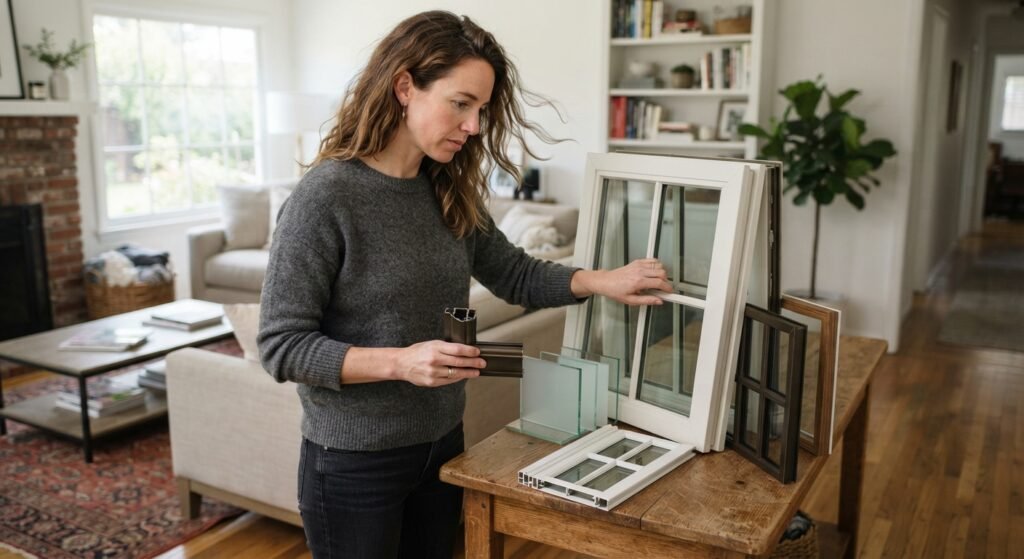
Choosing the right window isn’t just about looks. If you’re buying replacement windows or ordering custom windows, think about how the window will work in your home day to day.
Choose the Right Opening Style
Look at how much airflow you need. Hinged styles can give you a wider opening, while fixed designs are better when you mainly want light and a clear view.
Decide Between Real and Simulated Panes
French window styles can use separate glass panes or decorative grids over one insulated unit. Real divided panes have a traditional feel, while simulated designs are often easier to clean.
Match the Window to Your Home Style
Think about the existing doors, trim, and exterior. A classic wood design may suit an older home, while slim frames and simple grids can work better in a modern space.
Consider Your Climate
Your local weather matters. In colder or very hot areas, choose suitable glazing and a well-insulated window material rather than picking a design based only on appearance.
Check Energy Performance
Look for energy-efficient glass, good seals, and a suitable U-factor. Double or triple glazing can make a noticeable difference in indoor comfort.
Think About Maintenance
Ask yourself how much upkeep you’re happy to do. Wood can need more attention, while vinyl and fiberglass are generally easier to look after.
Set a Realistic Budget
Don’t forget the full cost. The window itself, custom sizing, glass upgrades, hardware, and installation can all affect the final price.
How to Clean French Pane Windows
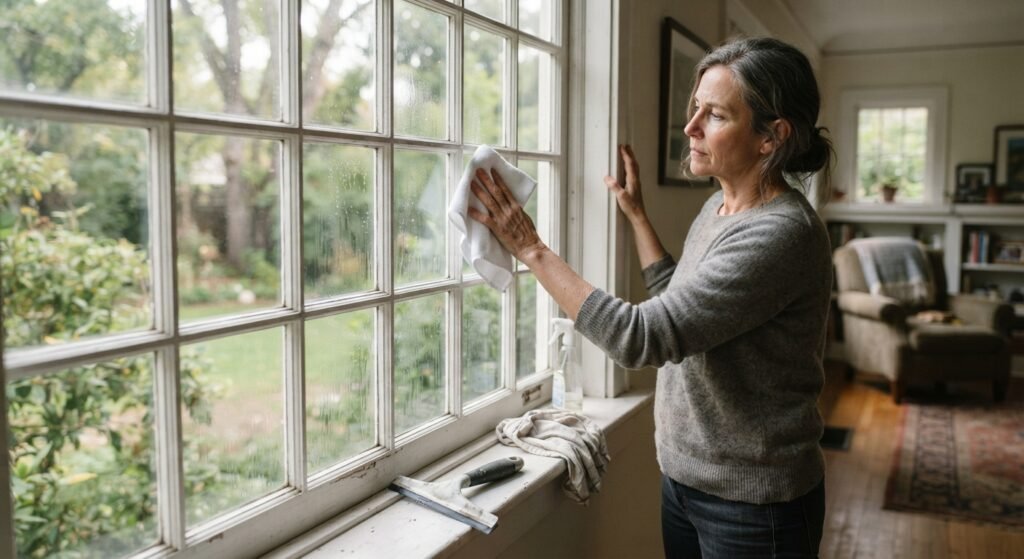
Cleaning isn’t hard, but the grids mean you’ll need to pay attention to the corners. Here’s a simple window cleaning routine that works well.
Step 1: Remove Dust and Loose Dirt
Use a soft brush or dry cloth to remove dust before adding any cleaner. This keeps dirt from turning into a muddy mess.
Step 2: Clean the Frame First
Wipe the frame with a damp cloth, especially around the corners and edges.
Step 3: Apply a Gentle Glass Cleaner
Use a mild glass cleaner on the window panes. Don’t soak wooden frames or the surrounding seals.
Step 4: Start With the Top Panes
Work from the top down. This keeps dirty water from running over areas you’ve already cleaned.
Step 5: Clean Around the Muntins and Grids
Use a soft cloth to clean muntins and the small spaces around the grids. A narrow brush can help with stubborn dust.
Step 6: Wipe the Glass With a Microfiber Cloth
A microfiber cloth removes leftover moisture without leaving much lint behind. For larger panes, a squeegee can make the job quicker.
Step 7: Dry the Edges and Corners
Run a clean, dry cloth around the edges. Water left in corners can leave marks over time.
Step 8: Clean the Tracks, Hinges, and Hardware
Finish by wiping the tracks, hinges, and window hardware. If the window opens, check these areas for dirt before closing it again.
Avoid These Cleaning Mistakes
- Don’t use abrasive tools on the glass.
- Don’t flood wooden frames with water.
- Avoid harsh chemicals.
- Don’t clean with a dirty cloth.
- Don’t skip the tracks and corners.
How to Maintain French Pane Windows
A little regular window maintenance can keep these windows working properly for years. You don’t need a complicated routine—just check the parts that get used or exposed to weather.
- Check the seals: Look for cracks, gaps, or signs of wear.
- Inspect weatherstripping: Replace it if you notice drafts or damaged sections.
- Clean the hinges: Remove dirt and add suitable lubricant when needed.
- Test window locks: Make sure the window locks close firmly.
- Check the muntins: Look for loose, cracked, or damaged sections.
- Inspect the finish: Wood frames may need fresh paint or sealant from time to time.
- Watch for condensation: Moisture between the glass panes can point to a failed seal.
Don’t forget the window hardware, either. If something feels stiff, loose, or unusually noisy, it’s better to check it early.
Common Problems With French Pane Windows and How to Fix Them
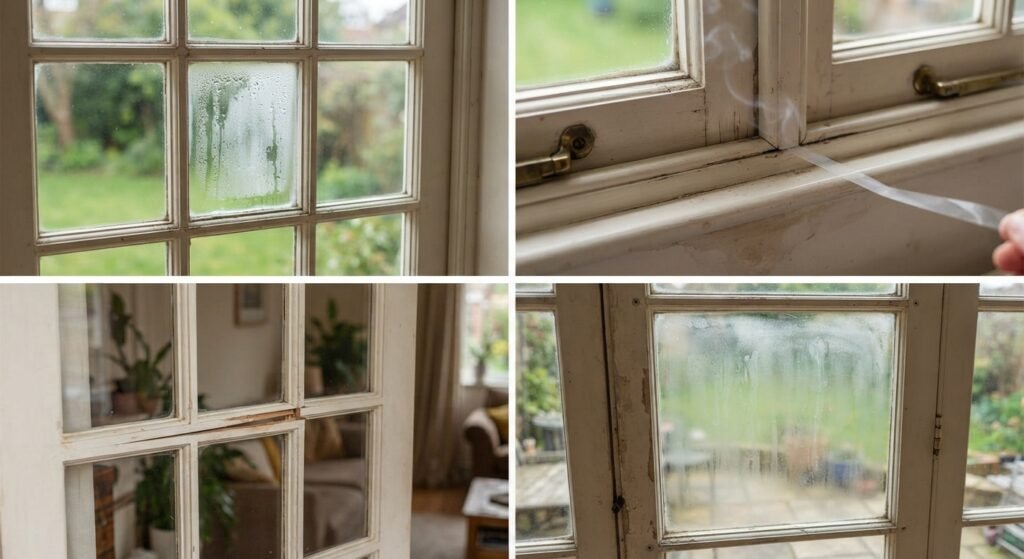
Like any window, these can develop problems as they get older. Some are simple fixes, while others may need professional window repair.
Condensation Between the Glass
Condensation between window panes can mean moisture has entered the sealed glass unit. If it keeps coming back between the panes, the broken window seal may need to be replaced.
Drafts Around the Frame
Drafty windows are often caused by worn weatherstripping, gaps, or poor sealing around the frame. Check the seals first and replace damaged weatherstripping if needed.
Loose or Damaged Window Grids
Loose or cracked grids can affect the appearance and, in some designs, the glass structure. Small decorative grids may be repairable, while badly damaged sections may need replacement.
Stiff Hinges or Hard-to-Open Windows
Dirt, worn hinges, or frame movement can make a window hard to operate. Clean the hinges and hardware first. If it still sticks, have the window checked.
Foggy Double-Glazed Glass
If double-glazed glass looks foggy from the inside, the sealed unit may have failed. Cleaning the surface won’t fix moisture trapped between the glass layers, so replacing the glass unit is usually the better option.
French Pane Window Design Ideas
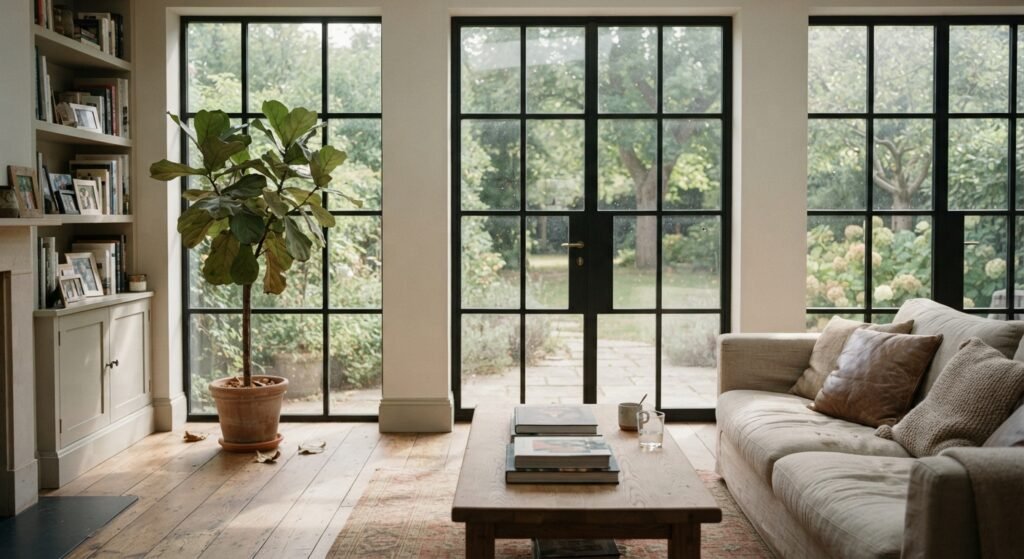
The fun part is choosing a look that fits your home. There are plenty of French window ideas, from old-school designs to clean modern styles.
- Black French windows: Black grids against light walls create a strong, modern contrast.
- Traditional French windows: Wood frames and smaller panes suit classic homes really well.
- Large modern grids: Fewer, larger sections can give modern French windows a cleaner feel.
- Floor-to-ceiling designs: These can bring in lots of light and make a room feel more open.
- Kitchen-facing windows: A window looking toward a garden can make the kitchen feel brighter and more connected to nature.
- Sunroom designs: Large divided panes work nicely where you want plenty of daylight.
- Matching French doors: Pairing the windows with French doors can pull the whole home window design together.
Frequently Asked Questions
Are French pane windows the same as French windows?
Not always. French windows can refer to a style with divided panes, but the term is also used for French casement windows. It depends on the design and manufacturer.
What are the bars on French pane windows called?
They’re commonly called muntins or glazing bars. Larger structural dividers may be called mullions.
Are French pane windows the same as casement windows?
Not exactly. A casement window describes how the window opens, while a French pane design mainly describes its divided-glass appearance. A window can have both features.
Can French pane windows have double glazing?
Yes. Modern designs can use double glazing or even triple glazing for better insulation and comfort.
Are French pane windows energy efficient?
They can be. Energy efficiency depends more on the glass, frame, seals, and installation than the decorative pane pattern itself.
Are simulated divided lights worth it?
For many homeowners, yes. They can give you the look of separate panes while using a larger insulated glass unit, which is usually easier to clean.
Are French pane windows difficult to clean?
They can take a little longer, especially with lots of grids. Designs with grilles between the glass are generally easier to wipe down.
Which material is best for French-style windows?
There’s no single winner. Wood offers a classic look, vinyl is easy to maintain, fiberglass is strong and well insulated, while aluminum gives a slimmer modern appearance.
Do French pane windows cost more?
They can. Custom sizes, detailed grids, premium frames, and higher-performance glass can all raise the price compared with simpler windows.
Conclusion
French pane windows can add a lot of character without making a home feel dated. The right choice comes down to the window style, glass, frame material, and how much maintenance you’re comfortable with. Whether you prefer traditional divided panes or a cleaner modern design, there are options for different homes, budgets, and climates. Just pay attention to the glass and frame if energy efficiency is high on your list.