
Upgrade your home with premium French windows custom-built for style, comfort and energy efficiency. Explore our complete guide to designs, types, materials and costs.
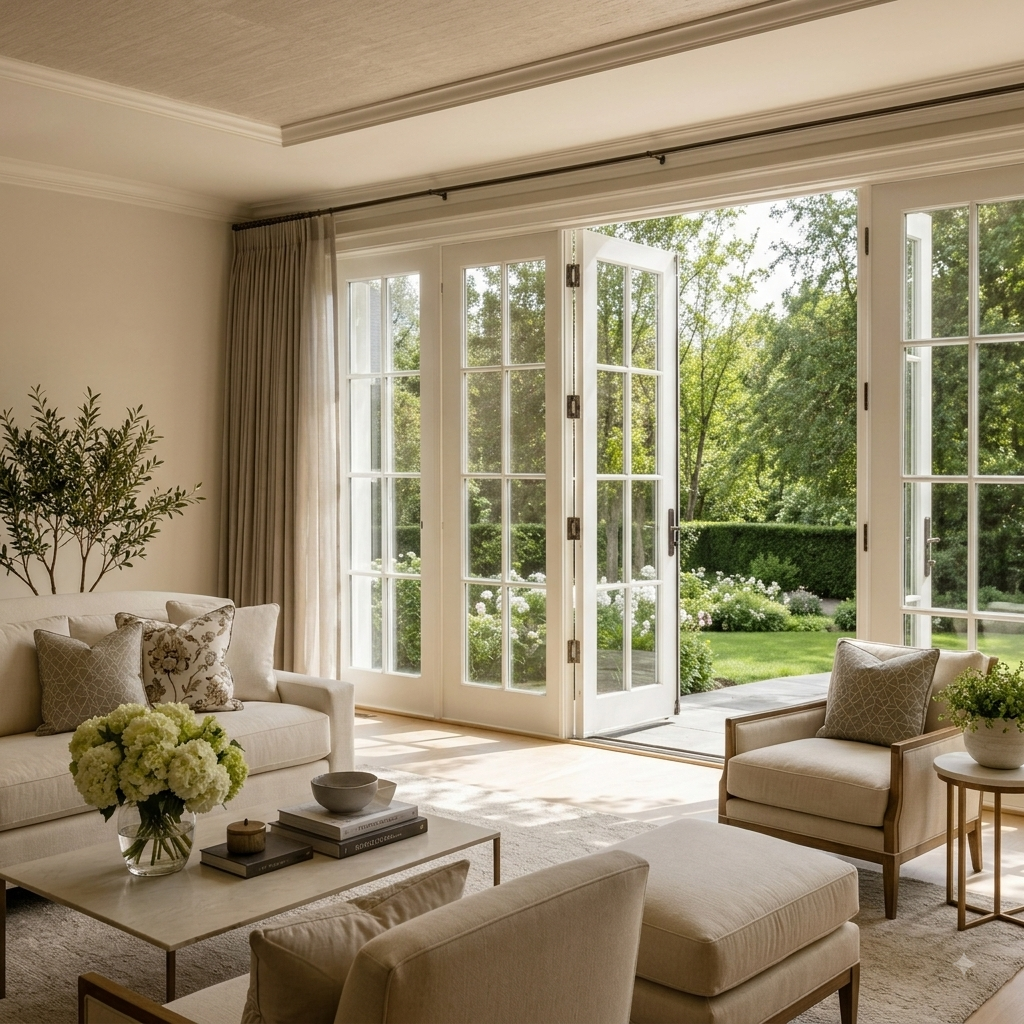
French windows come in a few different designs. The main differences come down to how the panes are arranged, how the sashes open, and the overall style of the frame.

Timeless double-panel windows that open inward or outward, creating a wide, mostly clear opening.
View Details →
Smooth sliding operation with wide, clear views and excellent ventilation without needing swing clearance.
View Details →
Hinged panels that open outward for maximum ventilation and an unobstructed view when fully open.
View Details →
Elegant arched designs that add architectural beauty, character and charm to any home.
View Details →
Natural wood beauty for warmth, premium craftsmanship and a classic, timeless look.
View Details →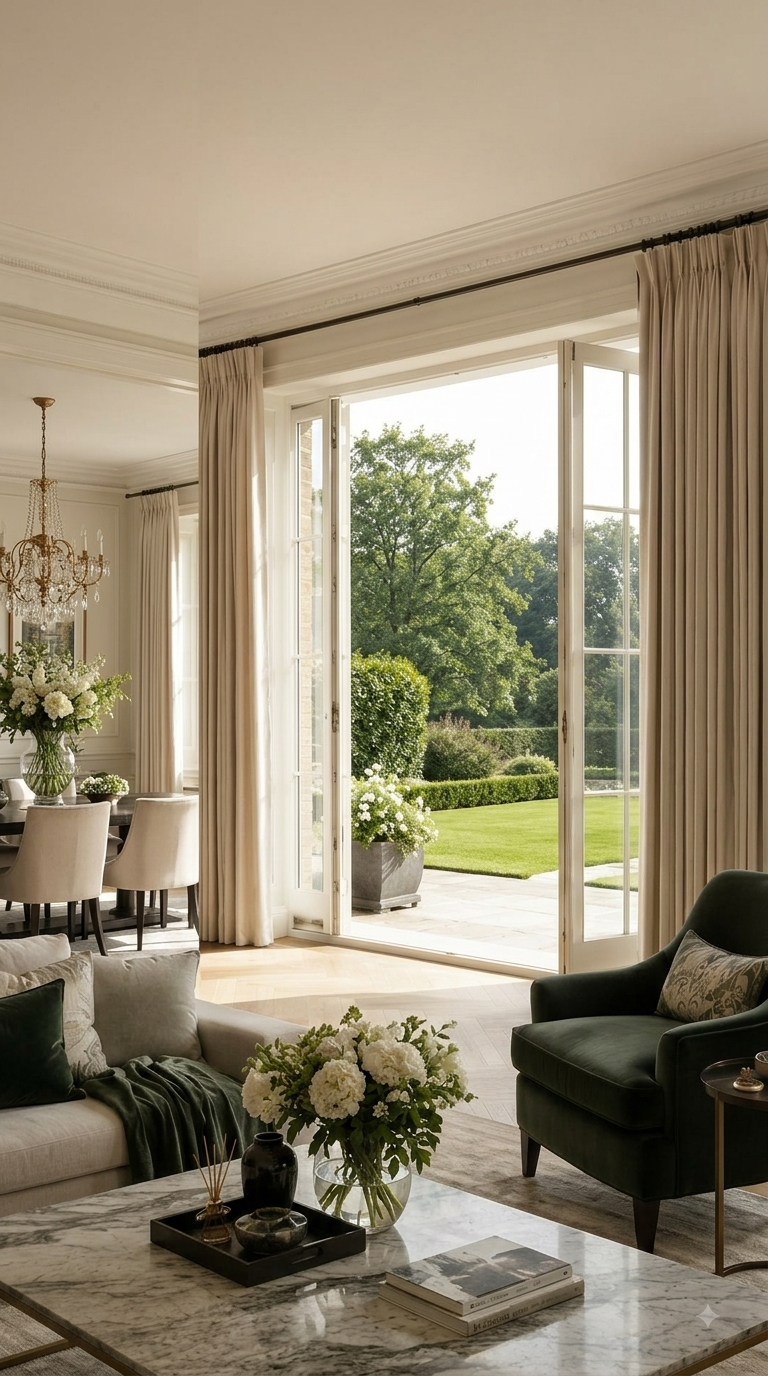
French windows combine timeless beauty with modern performance, enhancing your home's aesthetics, comfort and value.
Every window is custom-made to fit your space, style and performance needs.
Learn More →French windows are a classic type of window made with two casement-style panels that open from the center, creating a wide, mostly unobstructed opening. They're a nice choice when you want more natural light, better ventilation, and a clear view of the outdoors without giving up that traditional look.
Today, French window designs come in wood, aluminum, uPVC, and other modern materials, so they can work just as well in a traditional home as they can in a more modern space.
A French window is a pair of window panels that open from the center, usually without a fixed post between them. This gives you a wider opening than a standard single casement window and lets more daylight and fresh air into the room. A French window can have a traditional multi-pane appearance or a cleaner modern design, depending on the frame, glass, and overall style of the home.
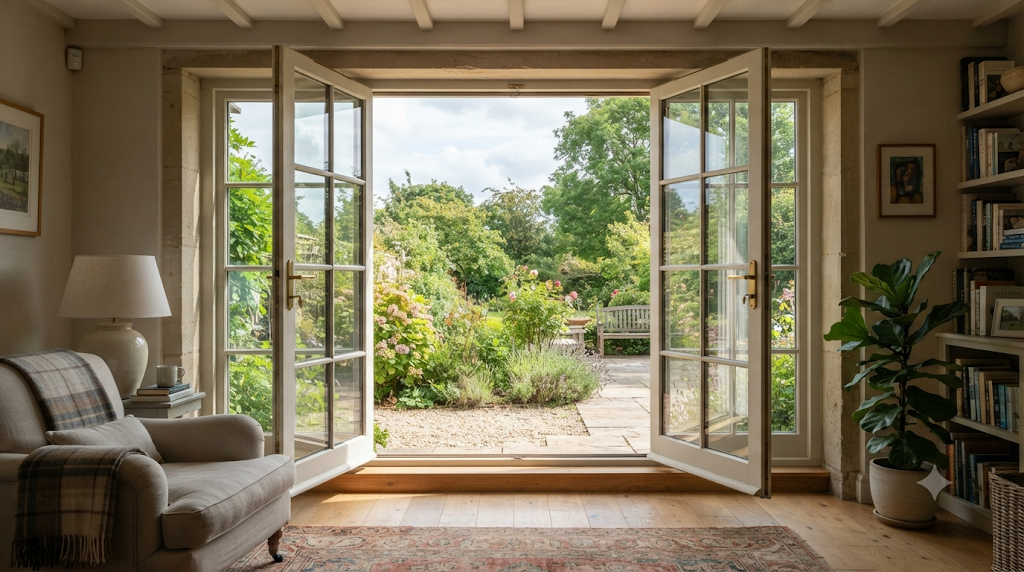
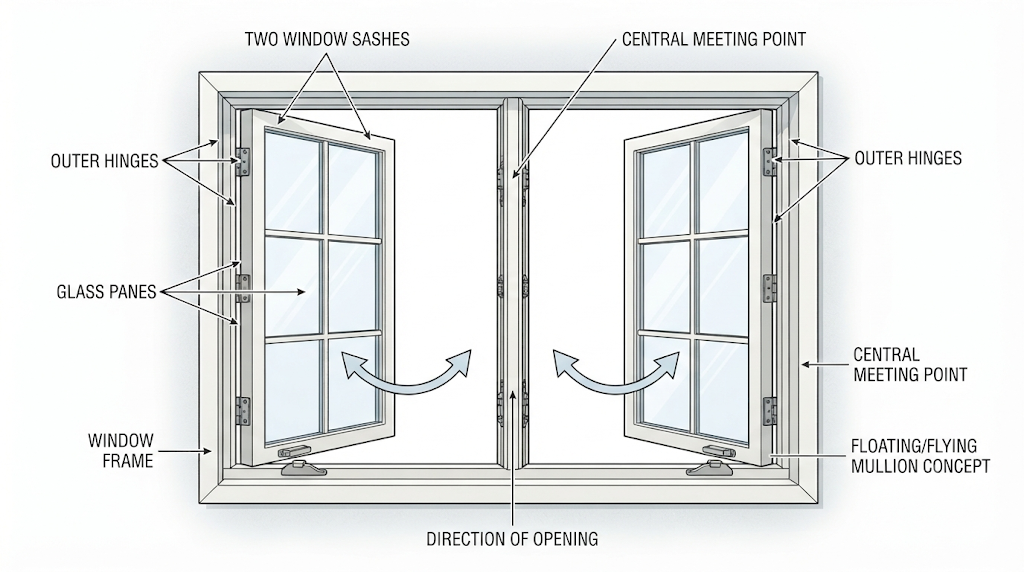
A typical French casement window has two window sashes, with each sash attached to the outer side of the frame using hinges. When you open them, the two panels move away from the center, creating one larger opening.
One thing that makes this setup different is the central mullion. Traditional fixed mullions can remain between two window panels, but French windows are often designed with a floating mullion or similar arrangement, so there isn't a permanent vertical post blocking the middle when the windows are open.
Some French push out casement windows are operated by pushing the sashes outward by hand, while other designs use different hardware depending on the frame and installation. The exact opening direction can vary, too, so it's worth checking the specific window design before choosing one for a room with limited space.
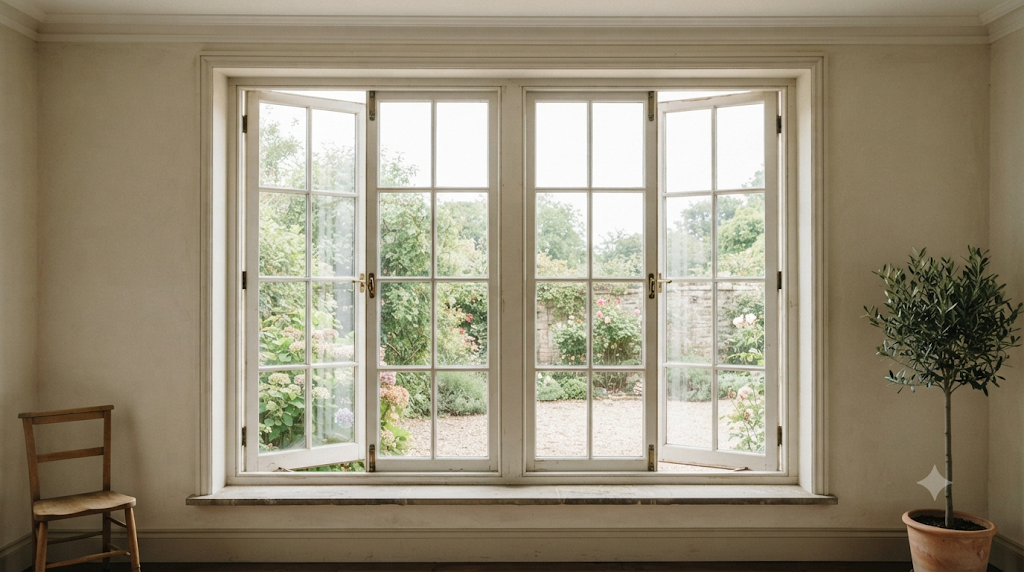
If you're wondering what French windows look like, picture two tall, matching window panels sitting side by side. They often have narrow frames, large areas of glass, and a balanced, symmetrical appearance.
The French window design can be simple or quite traditional. Some have small panes divided by decorative bars, while modern versions may use larger areas of glass for a cleaner look. The right French window style really comes down to the architecture of your home and how much glass, privacy, and character you want.
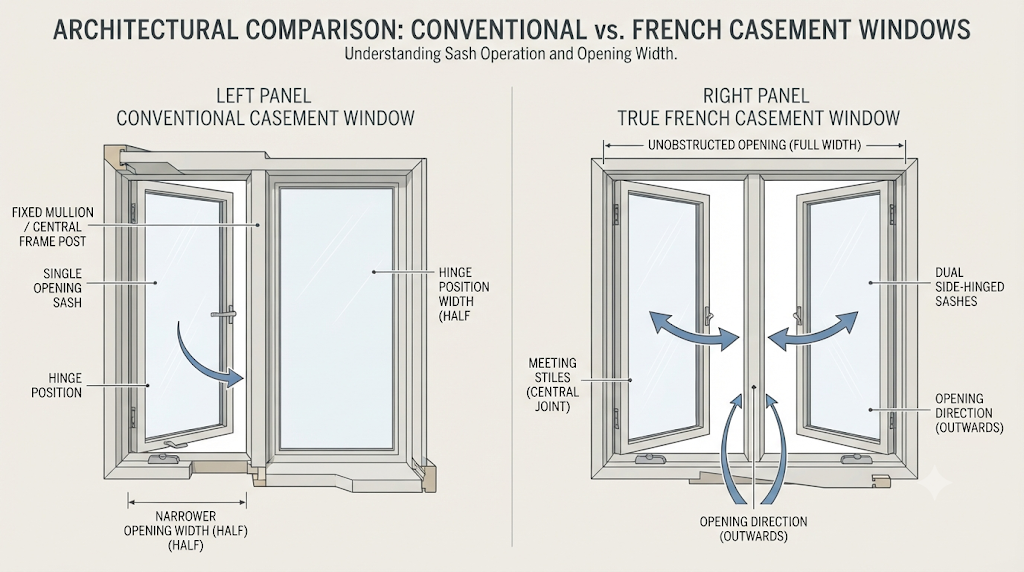
Not every window with two glass panels is a French window. The usual setup is a dual sash design, with each sash connected to the outer frame by hinges. Both panels can then move away from the center to create a wide opening.
A key feature is the center area. Traditional windows may have a fixed central mullion between the two sashes, while French windows can use a floating mullion or flying mullion that moves with one sash. When the window is fully open, the center is mostly clear, giving you a better view and more airflow.
The glass panes, frame style, and hardware can vary quite a bit. Some French windows have several small panes for a classic look, while others use larger glass panels for a cleaner, modern feel. What really defines the style is the paired opening and the way the two sashes work together.
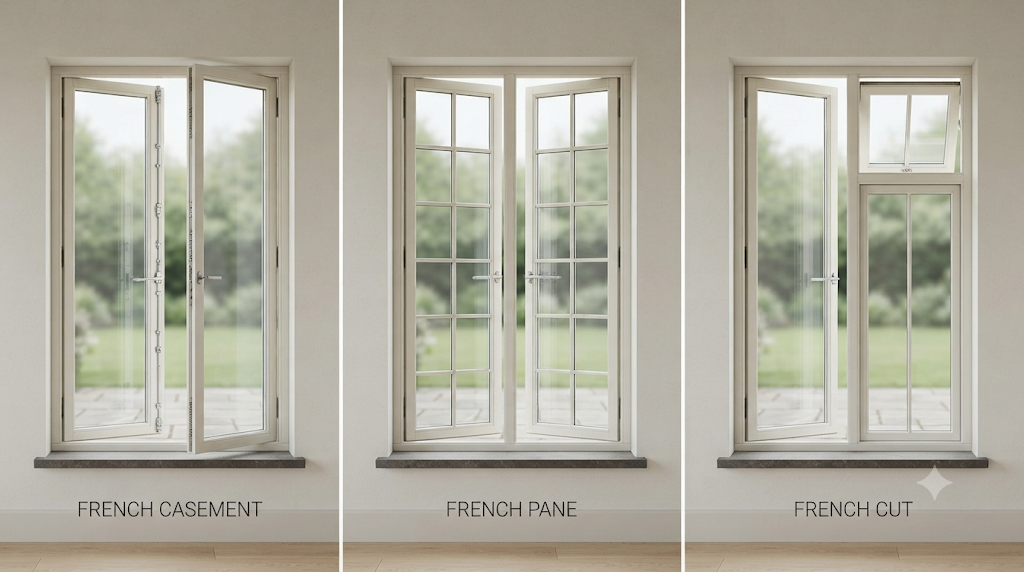
French windows come in a few different designs, so you don't have to stick with one traditional look. The main differences usually come down to the way the panes are arranged, how the sashes open, and the overall style of the frame.
They're basically two casement-style sashes that work together as a pair, opening from the center. A French casement window can open inward or outward, depending on the design and hardware. The simple answer is a paired casement window that creates a wide, mostly clear opening without a fixed center post.
French pane windows have glass divided into smaller sections by grids or glazing bars. They're a more traditional-looking version of the style, often chosen for period homes or interiors where a little extra character is wanted. Think of a French window with multiple smaller glass panes instead of one large sheet of glass. The number and pattern of panes can vary.
A French cut window is a variation where the window is divided into two sections with different opening functions. The exact design can vary between manufacturers, so it's worth checking the product details before ordering.
Traditional French style windows often feature timber frames, smaller panes, and decorative details. Modern designs tend to use larger glass areas, slimmer frames, and materials such as aluminum or uPVC.
Your French window design doesn't have to look old-fashioned, either. A simple French window style can fit nicely into a contemporary home, while French country windows work especially well with softer, more traditional interiors.
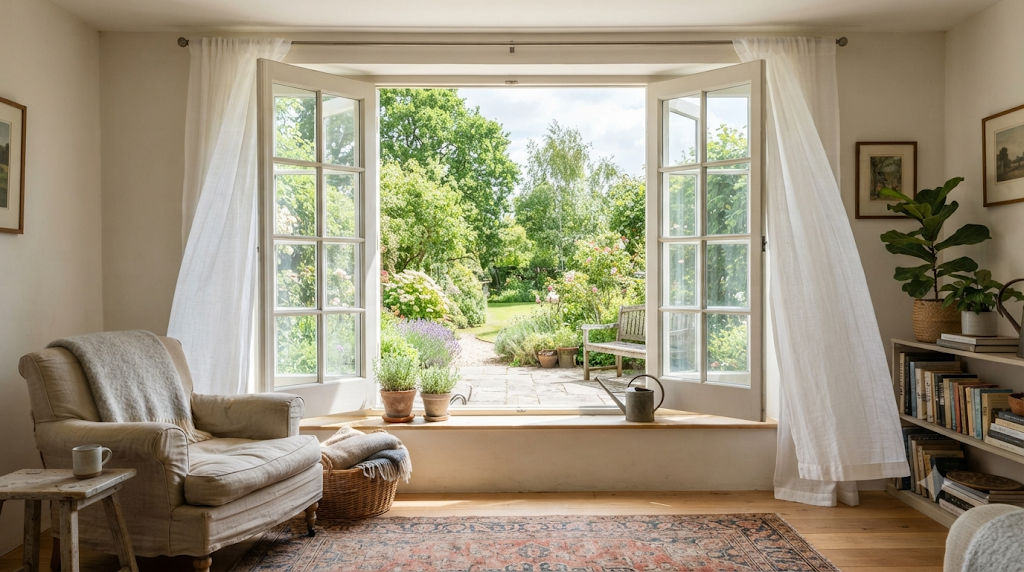
French windows aren't just about looks. Their paired opening can make a room feel brighter and more open, while also giving you better ventilation and a clear connection to the outdoors. The exact benefits will depend on the window size, materials, glass, and how well it's installed.
With large areas of glass, French windows can bring plenty of natural light into a room. This can make smaller or darker spaces feel brighter without needing to rely on artificial lighting throughout the day.
When both sashes are opened, they can create a generous path for fresh air to move through the room. This can improve airflow, especially when the windows are positioned to catch a natural breeze.
One of the nicest things about French windows is the open view. With no fixed center post in the way when the sashes are opened, you can get more unobstructed views of a garden, balcony, or surrounding landscape.
French windows work with more than one type of home. Traditional timber designs can add character and curb appeal, while slim aluminum frames and larger glass areas can suit a modern property. That flexibility also makes it easier to create a natural indoor-outdoor connection.
French windows aren't automatically energy efficient just because of their design. Performance depends on the glass, frame, seals, and installation. Double or triple glazing, well-insulated frames, tight seals, and proper fitting can all help reduce unwanted heat transfer and drafts.
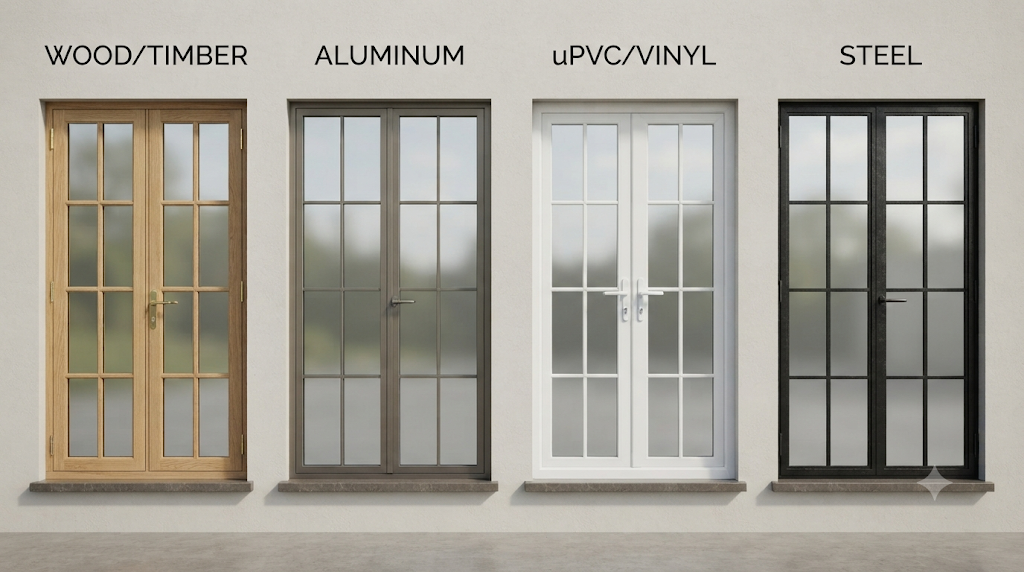
The material you choose can change the look, feel, maintenance, and overall performance of your French windows. There isn't one option that's best for every home, so it mostly comes down to your style, budget, and how much upkeep you're comfortable with.
Wood and timber are popular for traditional French windows because they have a warm, natural appearance that suits older and heritage-style homes. They can also be painted or finished in different ways. The trade-off is maintenance — wood needs regular care to keep its finish looking good and to protect it from moisture and weather.
Aluminum frames have a clean, modern appearance and are known for being durable. They can also be made with slim sightlines, which means more glass and less visible frame. A thermal break can be added to improve the frame's insulation performance, making aluminum a practical option for contemporary homes.
uPVC and vinyl French windows are often chosen when homeowners want an affordable, low-maintenance option. They don't need the same level of upkeep as wood and can provide useful insulation when paired with suitable glazing and seals. They're a straightforward choice for many standard residential projects.
Steel frames are strong and can give French windows a distinctive, architectural appearance. They're also useful when you want narrow sightlines without giving up frame strength. The main attraction here is durability, although steel isn't always the first choice for homeowners looking for the lowest-maintenance or most budget-friendly option.
| Material | Best For | Main Advantage | Main Drawback |
|---|---|---|---|
| Wood / Timber | Traditional & heritage homes | Warm, classic appearance | More maintenance |
| Aluminum | Modern homes | Slim sightlines & durability | Thermal performance depends on frame design |
| uPVC / Vinyl | Budget-conscious homeowners | Low maintenance & insulation | Less traditional appearance |
| Steel | Architectural & high-end designs | Strength & narrow sightlines | Can cost more, needs suitable protection |
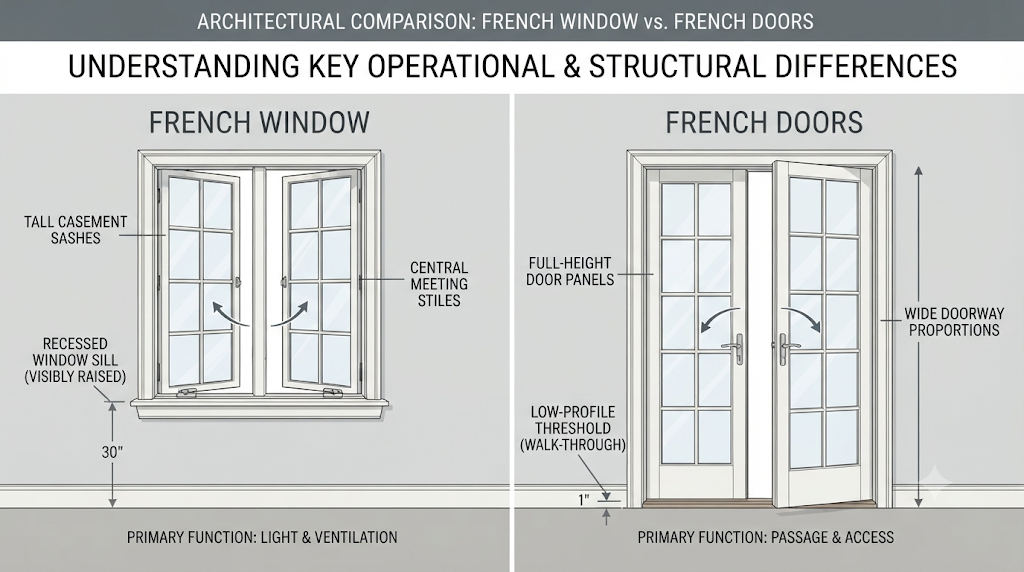
French windows and doors can look quite similar, especially when both use two matching glass panels. The main difference is what they're designed to do. A French door window-style design may look like a window, but a true French door is built for regular walk-through access, while French windows are mainly designed for light, ventilation, and views.
| Feature | French Windows | French Doors |
|---|---|---|
| Main Purpose | Light, ventilation, and views | Walk-through access |
| Sill | Usually has a window sill | Usually has a low threshold |
| Opening | Creates a wide window opening | Creates a doorway |
| Clearance | Depends on the sash swing | Needs space for people to pass |
| Best Location | Windows, balconies, upper floors | Patios, gardens, exterior entrances |
French doors with windows may have similar glass layouts, but they're still designed as doors. French windows make more sense when you want the look and openness of a large window without needing a full-size passageway.
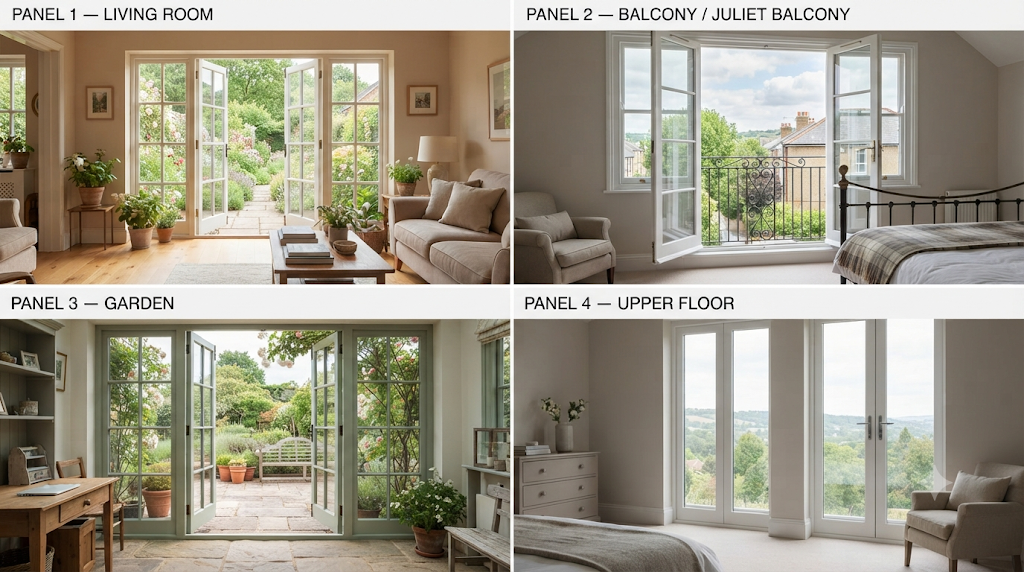
French windows can work in quite a few parts of a home, but they're especially useful where you want more daylight, fresh air, and outdoor views. The best spot depends on the available space and how much opening you need.
A living room is a natural fit for French windows. They can bring in plenty of daylight and create a stronger connection with a garden, patio, or other outdoor area. Taller designs can also make the room feel more open.
French windows can work well on a balcony, particularly where you want a large opening without installing a full-size door. They can also suit a Juliet balcony, where the main goal is enjoying the view and bringing more air and light indoors.
If your room faces a garden, French windows can make the most of the view. When both sashes open, the center can be largely clear, giving you a better look outside and allowing more fresh air in.
Yes, French windows can be installed on an upper floor, including a bedroom or landing, when the opening and safety requirements are suitable. They're also commonly considered for rooms facing a Juliet balcony. On the ground floor, they can provide easier access to outdoor areas when the design and opening size allow it.
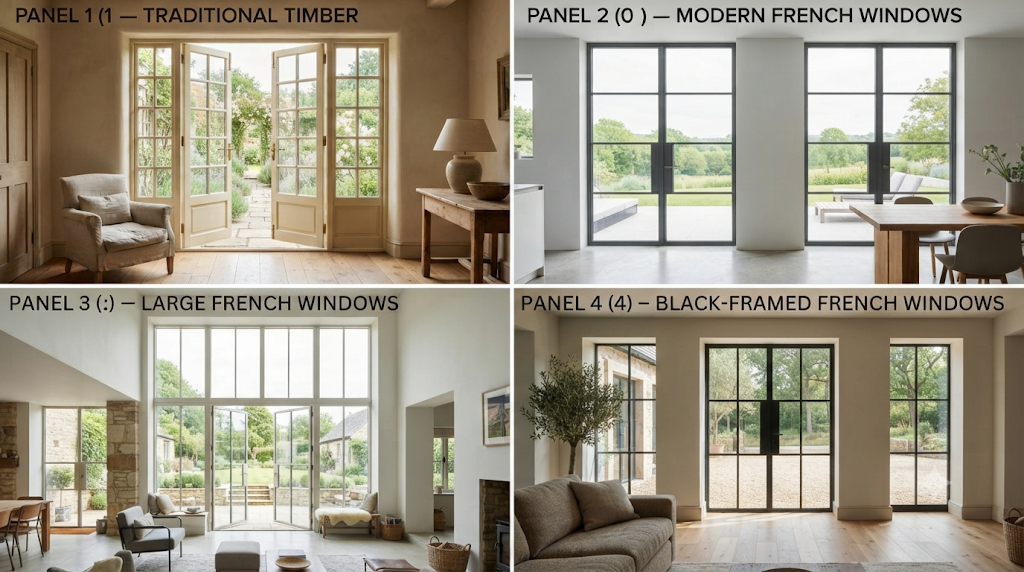
There's no single look that defines a French window. The French window design can be changed through the frame material, glass pattern, color, and hardware, so the same basic style can suit both older and newer homes.
Traditional French style windows often use timber frames, smaller panes, and balanced proportions. They're a good match for period properties and homes with classic architectural details.
For a cleaner look, choose larger glass areas, slimmer frames, and simple hardware. A modern French window style can work especially well with contemporary interiors.
Large French windows can make a room feel brighter and give you a much wider view of the outdoors. Just remember that bigger sashes need enough clearance to open comfortably.
Black French windows have become a popular choice for modern, industrial, and farmhouse-inspired homes. The dark frame creates a strong contrast against light walls and makes the window stand out.
The right treatment can add privacy without hiding the window's character. French window shutters, shades, or light curtains can all work, depending on how much light and privacy you want. For frequently opened windows, make sure the treatment doesn't get in the way of the sashes.