
Yes, you can install French windows yourself if you’re comfortable with basic DIY work and the opening is already properly prepared. How to Install French Windows mainly comes down to measuring the window opening correctly, setting the frame level and square, securing it properly, and sealing every gap against air and water. Take your time with the measurements rushing this part can cause problems later. If you’re creating a new opening or changing a structural wall, though, it’s safer to get a qualified professional involved.
Before You Start: Check the Opening and Choose the Right French Windows
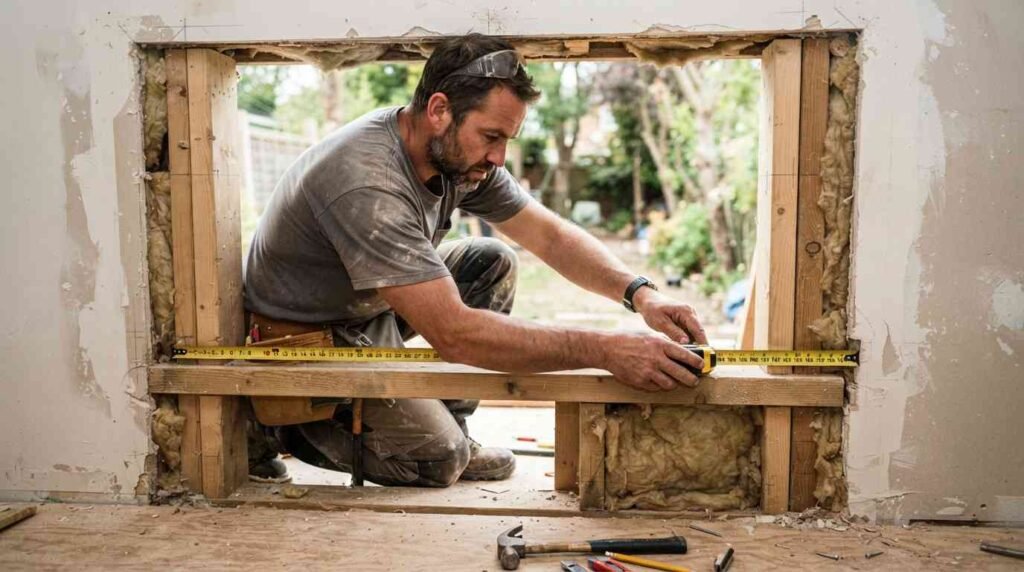
Before starting, check the window opening carefully and make sure the French windows you’ve chosen are suitable for it. The rough opening, window size, frame type, and glass option, such as double glazing, should all be checked before you begin.
Measure the Opening Carefully
Measure the width and height of the opening in several places, not just once. Use the smallest measurement if the opening isn’t perfectly even, and check the dimensions against the manufacturer’s requirements. Also measure both diagonals to see if the opening is square.
Don’t try to force a window into a tight opening. You need enough clearance for fitting, adjustment, and sealing. If you’re unsure how to fit French windows in a wall, accurate measurements are honestly the best place to start.
Check Whether You’re Installing a Replacement or New Window
A replacement job is usually simpler because you’re fitting the new unit into an existing opening. If you’re learning how to install replacement French windows, check the old opening for damage, rot, cracks, or uneven areas first.
A new installation can be more complicated, especially when you’re creating or enlarging an opening in a wall. Removing a wall or changing a load-bearing opening is not the same as replacing an existing window, so structural work should be checked by a qualified professional before you start.
Tools and Materials You Will Need
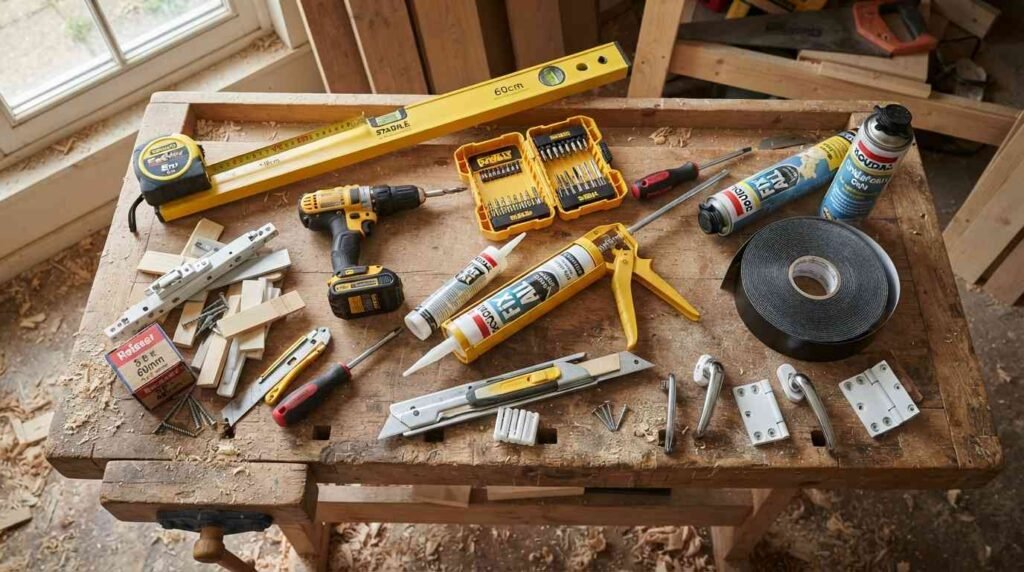
Get everything ready before you start. Stopping halfway through to look for a drill bit or sealant is a bit annoying, honestly. The exact items can vary depending on your French window and wall type, so always check the manufacturer’s fitting instructions too.
| Tools | Materials |
| Tape measure | Flashing tape |
| Spirit level | Shims |
| Drill and drill bits | Fixing screws |
| Screwdriver | Low-expansion foam |
| Caulking gun | Exterior sealant |
| Utility knife | Silicone caulk |
You may also need the supplied window hardware, depending on how your French windows are designed. A spirit level and properly placed shims are particularly important, as they help keep the frame straight while you secure it.
Step 1: Measure the Window Opening
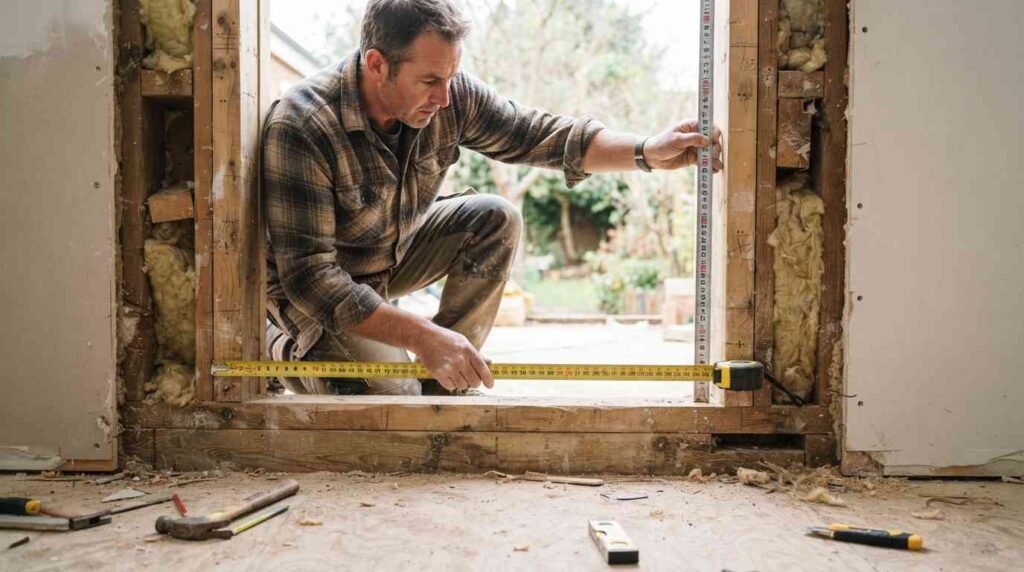
Start by measuring the window opening in several places. Measure the width at the top, middle, and bottom, then measure the height on both sides and through the center. Also, measure diagonally from corner to corner to check if the rough opening is square.
Don’t order the window based on one measurement. Check the dimensions properly—the smallest measurement is usually the safer one to work from. Look at the window jamb too, especially if the opening is old or uneven.
Step 2: Remove the Old Window Carefully
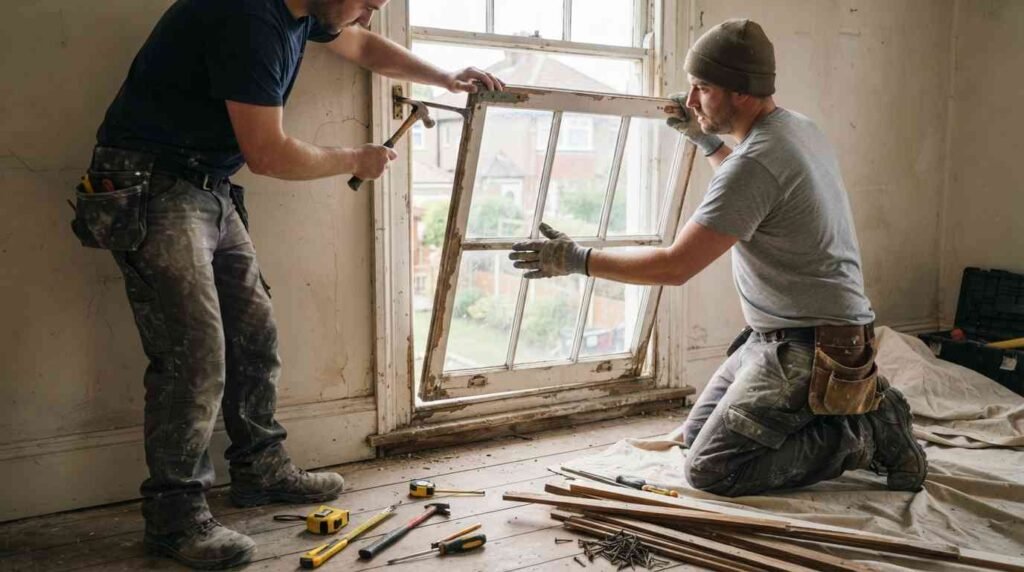
If you’re replacing an existing window, remove the old window slowly rather than pulling it out with force. Take out the window sash first if possible, then carefully remove the trim, old screws, and fixings holding the window frame in place.
Be careful around the wall edges. If you’re planning to install replacement French windows, don’t damage the opening while removing the old unit. Also watch out for hidden cables or anything unusual around the frame.
Inspect the Opening for Damage
Before fitting anything new, check for:
- Rotting or damaged wood
- Cracked masonry
- Damp areas
- Loose material
- An uneven sill
Fix these problems first. Installing a new window over a damaged opening usually creates more work later.
Step 3: Clean and Prepare the Opening
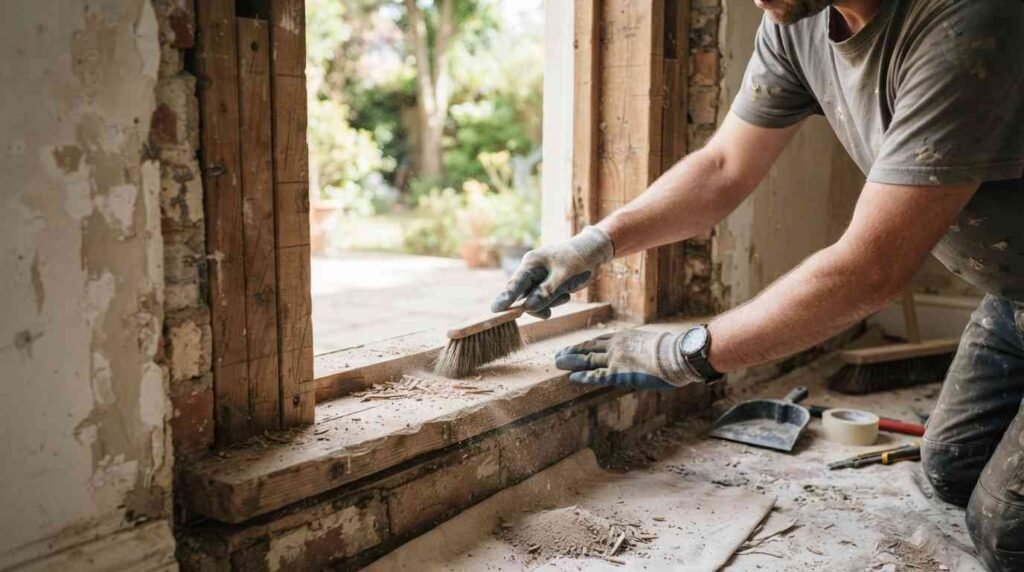
Now clean the opening properly. Remove old sealant, dust, loose pieces, and debris. Check the window sill and repair any damaged or uneven areas.
You’ll also want to prepare the sill so water can drain away correctly. If needed, fit a suitable waterproof membrane and make sure the drainage holes or drainage path won’t be blocked.
Step 4: Prepare the Sill and Install Flashing
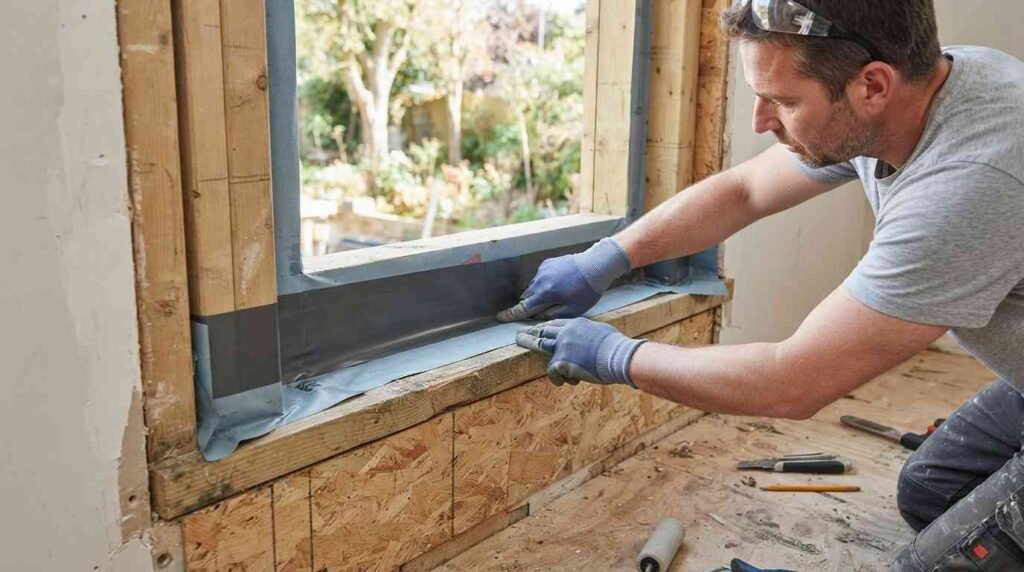
Good water protection matters, especially for exterior-facing French windows. Apply the waterproof membrane where required, then fit the window flashing or flashing tape according to the window manufacturer’s instructions.
The idea is simple: water should be directed out and away from the opening, not trapped behind the frame. A proper weatherproof seal comes later, but don’t seal over any drainage routes.
Don’t Block the Drainage Holes
Check the drainage holes before sealing around the window frame. These small openings allow trapped water to escape. Blocking them with foam or sealant can cause moisture problems, so leave them clear.
Step 5: Place the French Window Frame Into the Opening
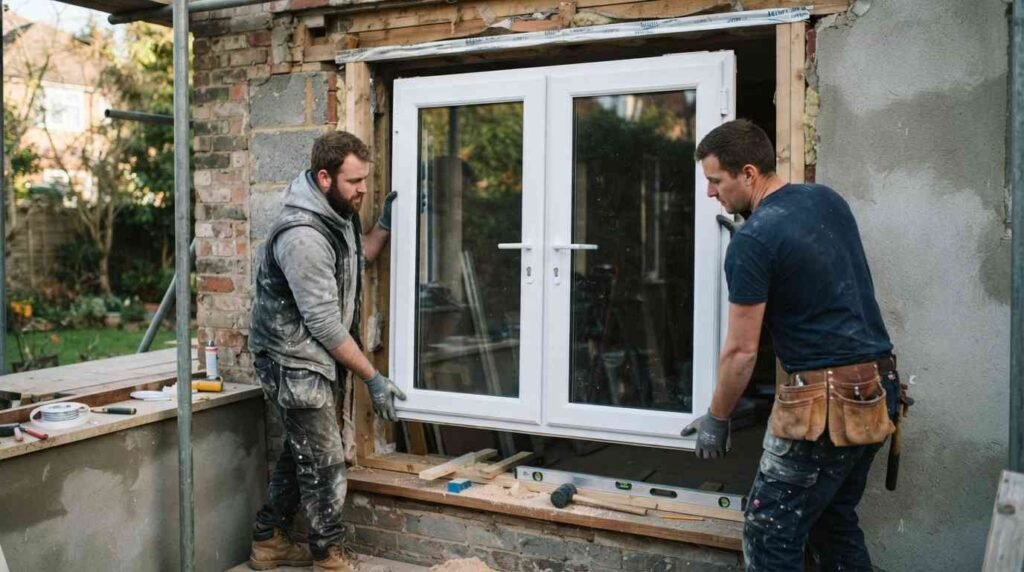
Large French windows can be awkward and heavy, so get someone to help. Carefully place the frame into the opening and support it while you make adjustments.
Don’t force the window frame into a tight space. When you install French windows, leave enough room around the frame for leveling and sealing. Use shims to hold the frame in position while you’re fitting French windows, but don’t secure everything permanently just yet.
Step 6: Level, Plumb, and Square the Frame
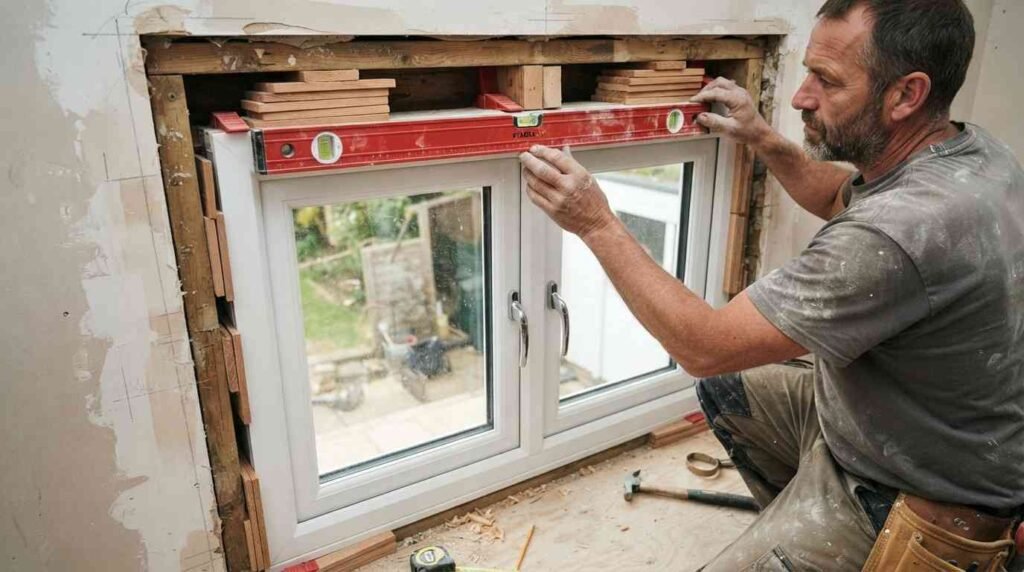
Before fixing the frame, use a spirit level to check everything carefully. The frame should be level horizontally, plumb vertically, and square from corner to corner. If one of these is off, the windows may not open or close properly.
For anyone learning How to Install French Windows, this is one step worth taking slowly. A frame can look straight at first and still be slightly out of position.
Use Shims in the Right Places
Place shims near fixing points and around areas that need support. You can use shims to secure the frame in the correct position, but don’t just push them in randomly. Too many shims, or shims in the wrong place, can twist the frame and affect sash alignment. Check the window jamb as you go.
Step 7: Secure the Window Frame
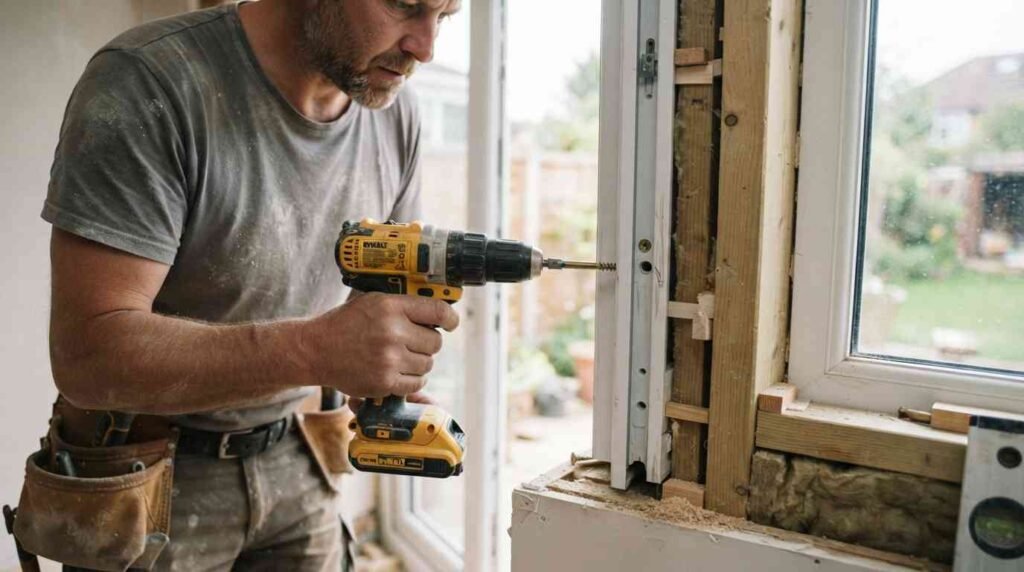
Once the frame is sitting correctly, it’s time to secure the window frame. Use the manufacturer’s recommended fixing points and fixing screws. Pre-drill the screw holes if required for your wall or frame material.
Tighten the screws gradually. Don’t overtighten them, as this can pull or distort the window frame. A good French window installation should keep the frame straight, not force it into shape.
Check the Frame Again Before Tightening Everything
Before the final tightening, check:
- Is the frame level?
- Is it plumb?
- Are the corners still square?
- Is there an even gap around the frame?
A quick recheck here can save you from a frustrating adjustment later.
Step 8: Install and Align the Window Sashes
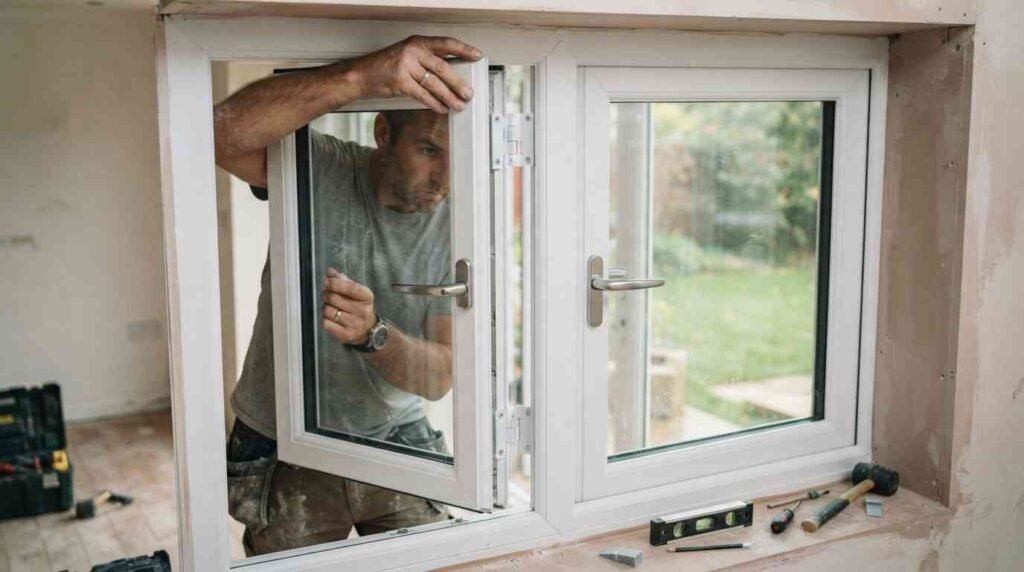
Now install the window sashes according to the manufacturer’s instructions. Attach the hinges, then check that each window sash sits properly inside the frame.
Look closely at the middle where both sashes meet. Good sash alignment is important, especially with double French windows. Test the handles and locking mechanism before moving on.
Test How Both Sashes Meet and Close
Open and close both sides several times to test the opening and closing. The sashes should move smoothly and meet evenly in the centre. Also check the locks to make sure the locking mechanism engages properly without forcing the handles.
Step 9: Insulate the Gaps Around the Frame
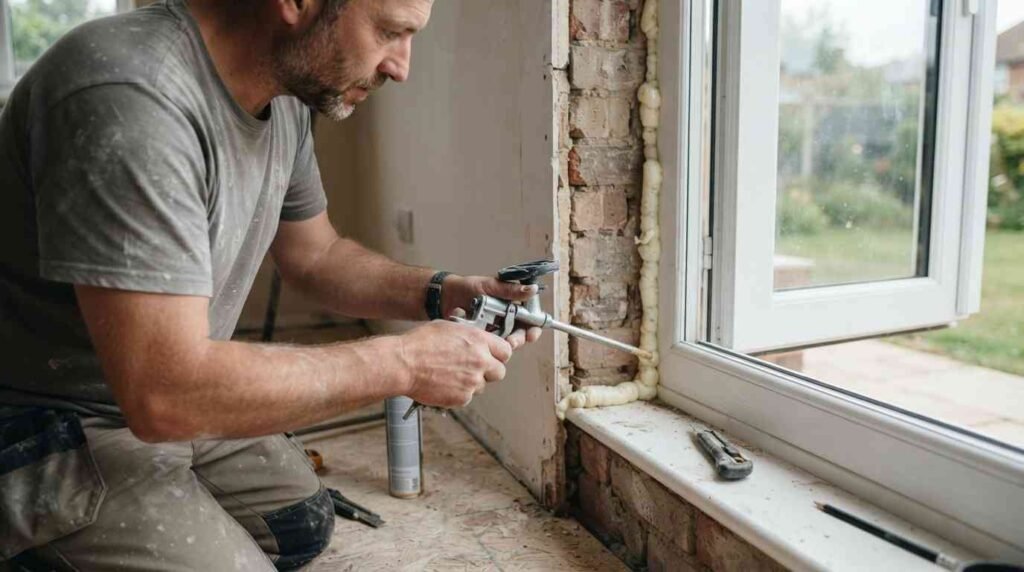
Once everything is working correctly, fill gaps around the frame with suitable insulation. Low-expansion foam is usually the better choice for window gaps because regular expanding foam can expand too much.
Apply it slowly and don’t overfill the gap. Let the foam cure, then trim any excess. After that, inspect for air leaks around the frame.
Why Too Much Expanding Foam Can Cause Problems
Too much foam can put pressure on the frame as it expands. In some cases, this can affect how the sashes open and close. A little goes a long way here.
Step 10: Seal, Finish, and Test the French Windows
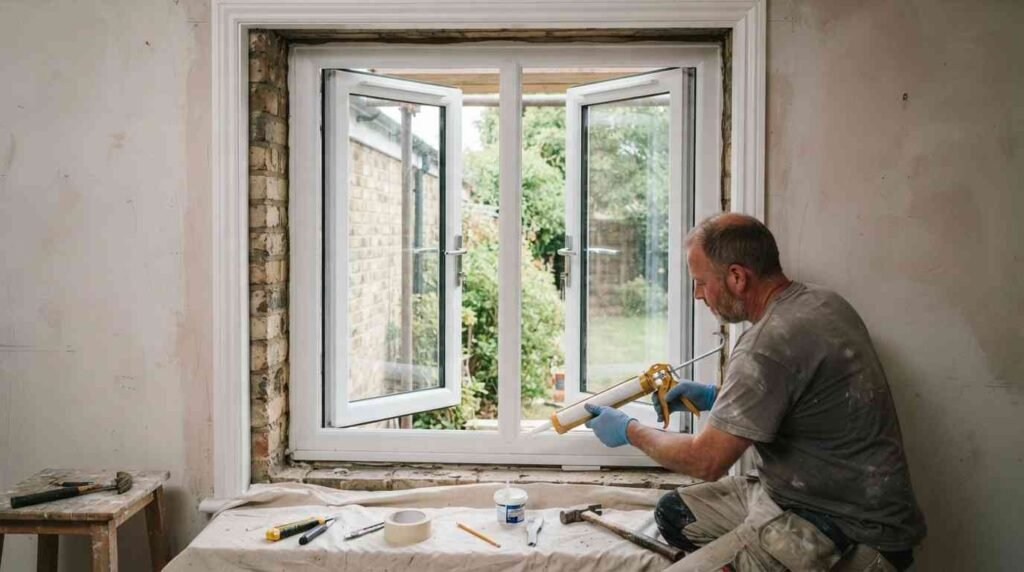
The final job is to seal the exterior edges and finish the inside. Apply a suitable exterior sealant around the outside gaps. You can use silicone caulk where appropriate, then fit the window trim for a neat finish.
Check the frame for any missed gaps and make sure you haven’t blocked drainage areas. A proper weatherproof seal helps keep rain and drafts out. Always allow the sealant to cure before exposing it to heavy use or bad weather.
Do a Final Water and Air Check
Before calling the job done:
- Check for visible gaps around the frame
- Open and close both sashes
- Test the handles and locks
- Inspect for air leaks
- Check the exterior seal for missed spots
- Make sure water can drain away properly
Common Mistakes to Avoid When Installing French Windows
Even a good DIY French window installation can go wrong because of a few small mistakes. Here’s what to watch out for:
- Ordering the wrong window size
- Measuring the opening only once
- Ignoring an uneven sill
- Not checking if the window frame is square
- Overtightening the fixing screws
- Using too much expanding foam instead of low-expansion foam
- Blocking the drainage holes
- Fitting the sashes before checking frame alignment
- Poor sash alignment
- Forgetting flashing or weatherproofing
- Sealing over drainage paths
A good French window fitting guide should focus on getting the frame straight before trying to finish the job quickly.
Can You Install French Windows Yourself?
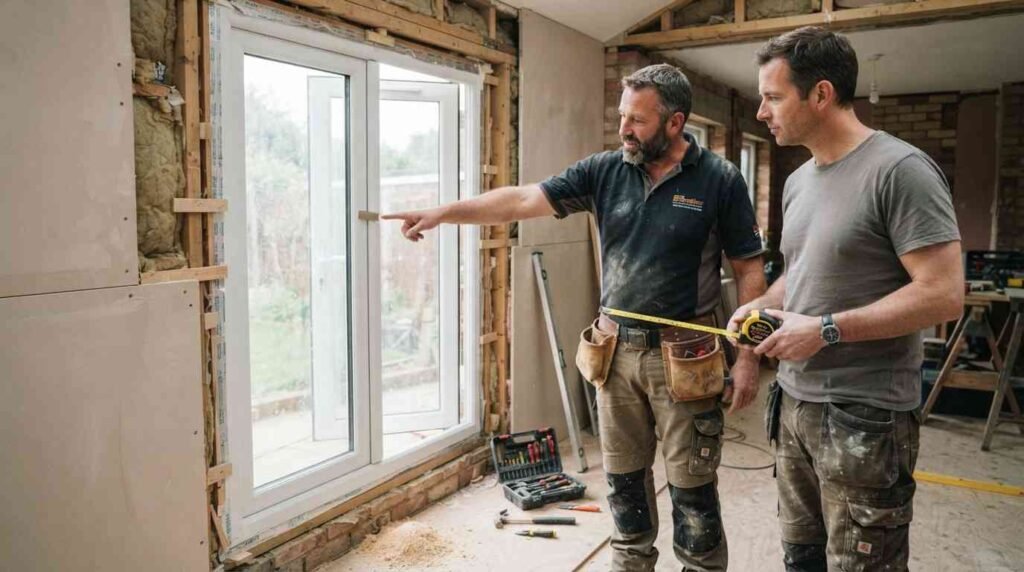
So, can you install French windows yourself? Yes, in some cases. A DIY job can be manageable when you’re replacing an existing, similar-sized window and the opening is already in good condition.
DIY May Be Suitable When:
- You’re replacing an existing window
- The opening is already prepared
- You have the right tools and some DIY experience
- The window isn’t too large or difficult to handle
- Local building rules allow the work
Call a Professional When:
Get professional help if the opening needs to be enlarged, structural work is involved, or the window is very large and heavy. The same applies if you’re unsure how to install exterior French windows without causing water leaks or fitting problems.
How Much Does It Cost to Install French Windows?
If you’re wondering how much does it cost to install French windows, there isn’t one fixed answer. The total cost depends on the window size, frame material, glass type, and how difficult the installation is.
A simple French window installation in an existing opening will usually cost less than creating a new opening or making structural changes. Labour rates and your local area can also make a noticeable difference.
Frequently Asked Questions
How much space do you need around a French window frame?
The exact clearance depends on the window manufacturer and installation method. The frame shouldn’t be forced into the opening, though. Leave enough space for shims, adjustment, insulation, and sealing.
Should French windows be installed from the inside or outside?
It depends on the window design and the manufacturer’s instructions. In many cases, the frame is positioned from the outside, but some systems are designed to be fitted differently. Always check the instructions for your specific window.
Do French windows need flashing?
Usually, yes, especially exterior French windows. Flashing helps direct water away from the opening and reduces the risk of moisture getting behind the frame.
Can you install French windows in an existing wall?
Yes, if there’s already a suitable opening. Creating a new opening or making an existing one larger is more complicated and may involve structural work.
Why won’t my French window close properly after installation?
The frame may not be level, plumb, or square. Incorrect shims, overtightened screws, or poor sash alignment can also cause this problem.
How do you stop air leaks around a newly installed French window?
Check for gaps around the frame, add suitable insulation such as low-expansion foam, and seal the exterior edges properly. Don’t block any drainage paths while sealing.
Conclusion
Installing French windows is mostly about getting each stage right before moving to the next one: measure, remove, prepare, flash, place, level, secure, install the sashes, insulate, then seal and test.
Take your time with the frame alignment and don’t rush the sealing work. Once you understand How to Install French Windows, the whole process becomes much easier to follow.